The music industry has always been a battlefield defined by gatekeepers, but in 2026, the front lines have shifted. We are no longer just fighting for a spot on a playlist; we are fighting against an algorithm that never sleeps. For the independent artist, the “dream” is starting to feel like a glitch in the matrix as AI-generated content begins to saturate every corner of the digital market.
What Is an Independent Artist? Defining Independence in 2026
Understanding what an independent artist is has become essential as technology reshapes how music is created, released, and discovered. More musicians than ever are choosing to work independently without the backing of a record label.
This guide explores what it means to be an independent artist, breaking down the pros and cons, spotlighting some of today’s best independent artists, and showing you how to build a thriving career on your own terms. What Is An Independent Artist?

An independent artist, sometimes referred to as an “indie artist,” is a songwriter or producer who operates without the backing of a record label.
This arrangement enables independent artists to create music without any constraints on their creativity or outside control over their careers.
As the indie music sector has evolved, independent artists are on the rise, with a range of intuitive tools to assist with distribution and promotion.
Digital music stores, streaming services, and limited-edition physical sales are all monetization options that independent artists can utilize.
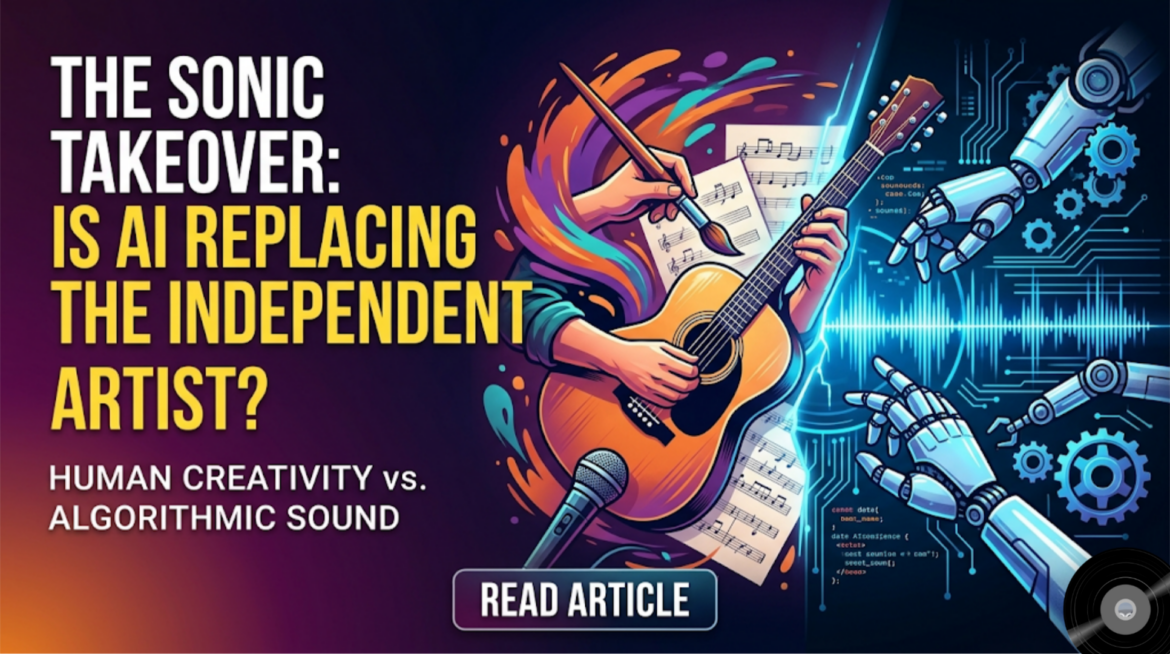
The Sonic Takeover: Is AI Replacing the Independent Artist?
Combined with a strong social media presence and live performances, these platforms enable indie artists to build a consistent and long-lasting music career. Independent Artists In The Music Industry
Whereas once independent artists were considered outsiders, their position in the music industry has changed in recent years.
No longer on the fringes of the scene, independent artists represent a significant force, pushing the boundaries of musical creativity.
Empowered by innovative tools and platforms, they’re able to release music online directly to their fans without the need for major label support.
It’s also easier than ever for independent artists to set up their own record labels, distributing songs digitally to a global audience.
Today, there’s a revolving door between independent artists and the music industry, with signed artists often reverting to independence.
Major artists in popular music genres, such as Taylor Swift and Radiohead, have all returned to independence after working with record labels.
As Radiohead’s Thom Yorke explained, independence allows them “to do what makes sense to us without having to explain ourselves.”
It’s a sentiment that many successful independent artists in the music business feel a close affinity to.

Independent Vs. Unsigned Artists
There’s a common misconception that being an independent artist means no association with any form of record label.
In reality, many artists collaborate with independent labels that share their creative vision and focus on a particular niche genre.
Independent artists can also make money with music by self-releasing and establishing their own label to promote independent releases.
In contrast to this arrangement, unsigned artists have no record label contract, relying on grassroots strategies to reach an audience.
There are overlaps between independent artists and unsigned artists, particularly in the mindset that drives their decision-making.
With the rise of digital distribution services and self-promotion tools, the distinction between these two areas has become increasingly blurred.

The Sonic Takeover
1. The Tsunami of Content
The biggest threat to the independent artist isn’t necessarily that AI music is “better”—it is the sheer volume. Current estimates suggest that nearly 45% of daily uploads to major streaming platforms are now AI-generated. This creates a massive “discovery deficit.” When 75,000 tracks are uploaded every 24 hours, the human story behind a song gets buried under a mountain of machine-learned melodies designed specifically to trigger the algorithm.
2. Majors vs. The Independent Struggle
While the independent artist struggles to be heard, major labels have pivoted toward strategic integration. Instead of fighting the technology, major players are using AI to enhance their superstars. From “official” AI voice clones that allow a singer to release tracks in multiple languages simultaneously, to predictive modeling that writes hooks based on trending data, the majors are using AI as a force multiplier. This leaves the independent creator—who relies on raw authenticity—competing against “perfect” data-driven products.

The Genre Reach: While Pop and EDM were the first to see AI dominance due to their digital nature, the technology has now moved into Country, Rock, and even Jazz. AI-generated artists are now topping digital sales charts, proving that no genre is immune to automation.
3. The Royalty Trap: Who Gets Paid?
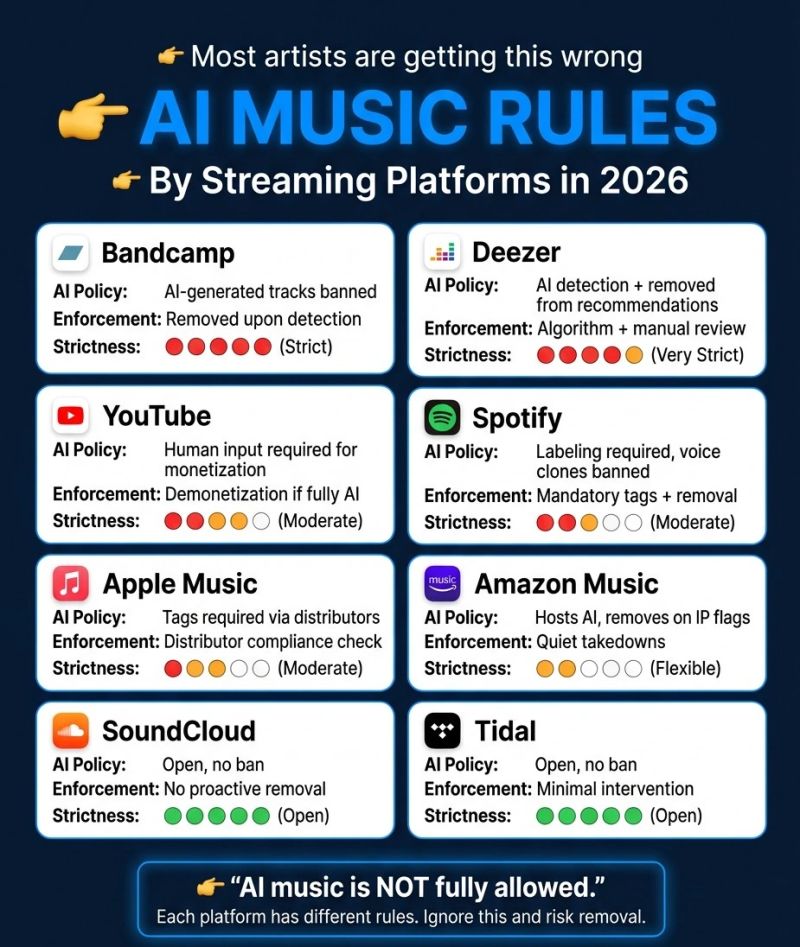
The financial side of AI is the industry’s most controversial gray area. If a creator uses AI as a tool for mixing or mastering, they generally maintain their rights. However, tracks generated purely via “prompt-to-song” technology often fall into a legal vacuum where they cannot be copyrighted.

The real danger lies in “Streaming Fraud.” Scammers are using AI to generate thousands of low-effort tracks, then using bot farms to “stream” them. This dilutes the royalty pool, effectively stealing fractions of cents from real artists to fund bot-driven empires. Every “fake” stream is a payment taken out of the pocket of a hard-working human creator.
4. The Human Edge
Despite the digital takeover, one thing remains true: AI cannot sweat. It cannot feel the energy of a live crowd or tell a story born from real-life heartbreak. The independent artists who will survive this era are those who lean into their humanity. Live performances, community engagement, and unique storytelling are the only things the algorithm hasn’t been able to automate… yet.