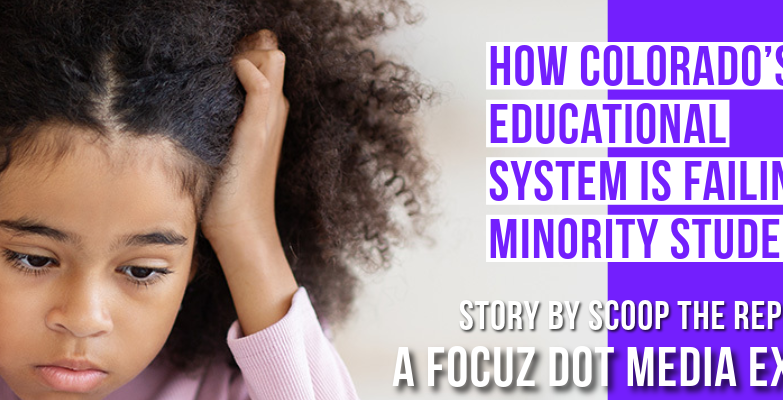
The Unspoken Crisis in Our Classrooms
Across Colorado, thousands of parents wake up every morning under the belief that the state’s public and online educational institutions are working in good faith to prepare their children for the future. They believe that standard curriculums, accredited online programs, and neighborhood schools are designed to lift young minds toward higher learning, career success, and economic independence.
However, a closer look at the actual trajectory of minority youth—specifically Black, Hispanic, and historically underserved students—reveals a starkly different reality.
Beneath the polished public relations campaigns, glossy district brochures, and empty promises of “educational equity” lies a systemic machinery that consistently funnel minority youth into low-wage ceilings. From broken virtual learning platforms to under-resourced brick-and-mortar schools, the system is actively failing the very children who need quality instruction the most.

The Online School Illusion: Virtual Classrooms or Holding Cells?
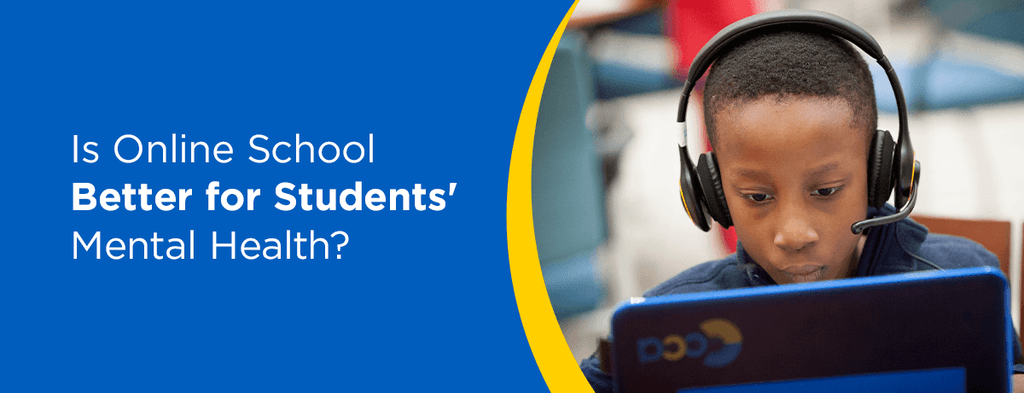
When digital learning and virtual academies were introduced as the modern solution to educational access, families were promised flexibility, state-of-the-art tools, and tailored academic support. For minority families seeking alternatives to struggling local schools, online academies seemed like a lifeline.
Instead, many of these platforms have devolved into administrative holding cells.
Students navigating these online portals routinely encounter:
- Glitchy, Outdated Software: Clunky user interfaces and broken links that create artificial barriers to completing assignments.
- Absentee Instructional Support: Automated grading systems replacing genuine teacher interaction, leaving struggling students with no direct help or path to mastery.
- Unclear Graduation Pathways: Ambiguous credit requirements that keep students perpetually behind schedule without proper academic counseling.
Rather than adapting to the unique learning styles of students, many virtual programs operate like automated processing centers designed to collect state funding per student while delivering bare-minimum educational value. When kids inevitably fall behind under these conditions, the system places the blame squarely on the child and family—ignoring the faulty framework built to fail them from day one.

Brick-and-Mortar Classrooms: Institutional Ceilings and Disparities
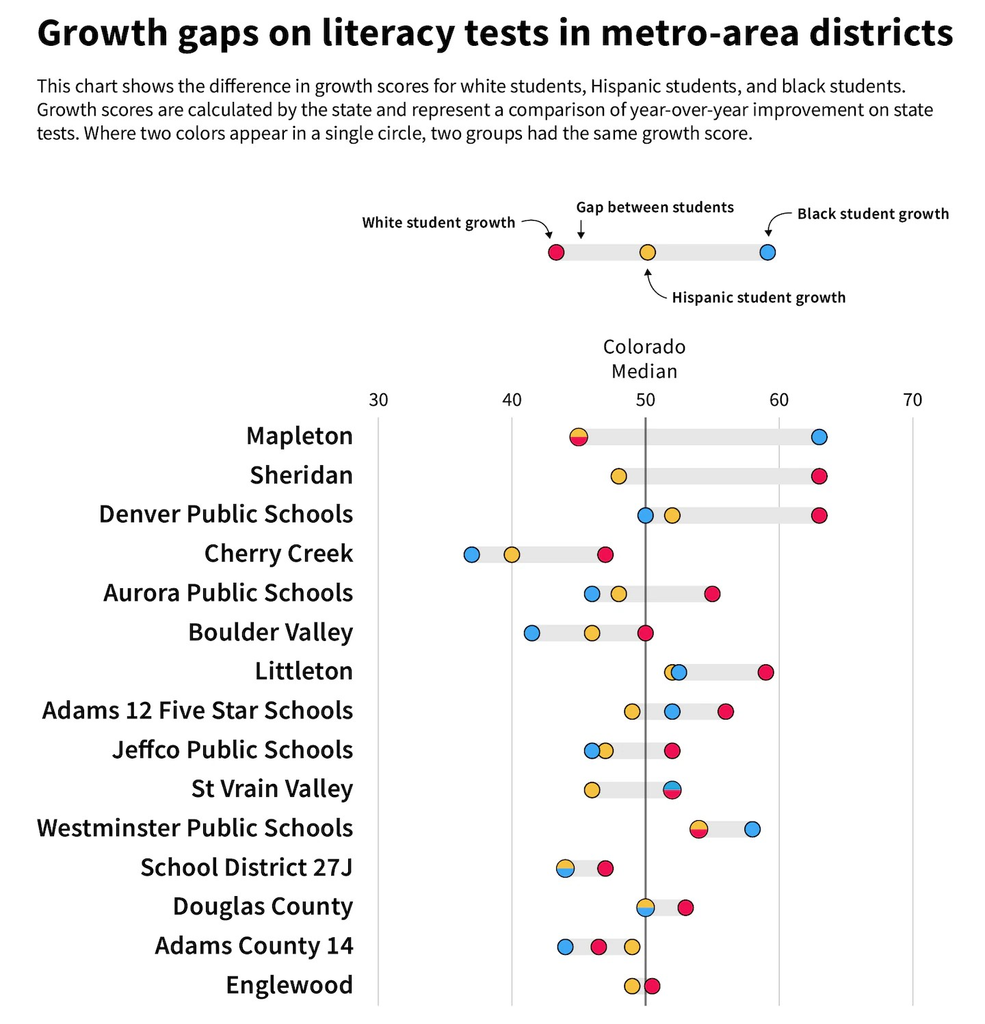
The issues are not isolated to virtual platforms; they are deeply entrenched in physical classrooms across the state. In districts serving high populations of Black and Brown youth, systemic inequities manifest through stark resource allocation gaps.
While affluent suburban schools offer robust Advanced Placement (AP) tracks, STEM labs, trade certification pathways, and dedicated college counseling, minority-heavy schools are frequently subjected to:
- Resource Stripping: Outdated textbooks, lack of technology, and minimal extracurricular investment.
- Disciplinary Over-Policing: Minor behavioural issues being met with harsh disciplinary measures rather than constructive mentorship or counseling.
- Lowered Expectations: A subtle but destructive culture of low expectations where minority students are routinely steered away from high-growth industries like tech, engineering, and entrepreneurship, and instead channeled toward low-wage labor.
This setup isn’t an accident—it’s a structural pipeline that conditions students to expect less from themselves and accepts minimum-wage entry positions as their ultimate economic potential.

The Media Silence and Institutional Protection
Why isn’t this crisis front-page news every single day? Why aren’t local media outlets holding school boards, district directors, and online charter executives continuously accountable?

The answer lies in institutional interdependence. Traditional mainstream news outlets rely heavily on access to government agencies, school board officials, and district press secretaries for daily content. Investigating systemic negligence or calling out specific district failures risks severing those relationships. As a result, mainstream coverage remains polite, surface-level, and focused on photo-ops rather than structural reform.
The media protects the institutions; the institutions protect the status quo; and the children are left to pay the price.
Demanding Accountability and Equity
A system that does not prepare children to succeed in a modern, competitive economy is not merely inefficient—it is actively damaging the future of entire communities. Parents, community advocates, and independent media organizations must take an active stand.
What Needs to Change Immediately:
- Full Transparency in Online Platforms: Independent audits of virtual curriculum quality, platform functionality, and real student-to-teacher engagement ratios.
- Equitable Resource Distribution: Directing advanced academic, technical, and vocational programs into historically under-resourced minority neighborhood schools.
- Community-Led Oversight: Parent-led advisory committees with real authority to challenge district decisions, curriculum choices, and administrative policies.
- Independent Investigative Journalism: Continuous spotlighting of educational practices through platforms like Focuz The Magazine that are not bound to institutional interests.
The Path Forward
Our children deserve an educational environment that inspires leadership, fosters critical thinking, and opens doors to genuine wealth creation and self-sufficiency. Settling for broken systems that fail minority youth is no longer an option.
It is time to pull back the curtain, demand accountability, and ensure that every student in Colorado—regardless of race, background, or learning format—is given the tools and support needed to thrive.
Join the Conversation:
Have you or your child experienced systemic issues with an online or brick-and-mortar school in Colorado? Share your experience with Focuz Dot Media as we continue to investigate and cover this critical issue.